
Did you know that a single authentic hand-woven masterpiece from Varanasi can take over 30 days to complete? This incredible dedication to craftsmanship defines the legacy of Indian textiles. Choosing the right fabric for your collection is essential to honoring this rich heritage.
Many shoppers struggle when comparing a katan silk vs satin silk saree. Each weave offers a unique texture, drape, and luster that changes how you feel while wearing it. Understanding these subtle differences ensures you invest in a piece that matches your personal style.
Whether you prefer the structured elegance of traditional weaves or the soft sheen of modern blends, this guide provides a clear roadmap. You will learn how to identify quality and make an informed purchase decision for your next special occasion. Discover the beauty of these timeless fabrics today.
Key Takeaways
- Learn the distinct physical characteristics of Katan, Satin, and Mashru weaves.
- Understand how to evaluate the quality of hand-loomed textiles from Varanasi.
- Discover which fabric best suits your comfort and aesthetic preferences.
- Gain confidence in navigating the complex market of traditional Indian garments.
- Master the art of selecting a piece that offers both longevity and style.
The Legacy of Banarasi Weaving
Few traditions capture the essence of Indian luxury quite like the ancient craft of Banarasi weaving. This storied practice has served as a cornerstone of Indian craftsmanship for centuries, evolving from royal courts to modern wardrobes. By exploring its roots, you gain a deeper appreciation for the intricate labor behind every hand-loomed masterpiece.
The Historical Significance of Varanasi Textiles
Varanasi, often called the spiritual capital of India, emerged as the global epicenter for silk production during the Mughal era. The city provided the perfect environment for weavers to refine their skills under the generous patronage of kings and queens. This support allowed artisans to experiment with gold and silver threads, creating the iconic brocades that define the region today.
“The loom is the heart of the home, and the silk is the soul of our history.”
The historical context of these textiles is not just about fabric; it is about the preservation of a cultural identity. Every pattern tells a story of trade routes, artistic exchange, and the dedication of families who passed these techniques down through generations. You are not merely buying a garment; you are participating in a living history that has survived the test of time.
Why Banarasi Silk Remains a Timeless Choice
In today’s fast-paced fashion world, Banarasi silk maintains a prestigious position because of its unmatched elegance. It bridges the gap between traditional heritage and contemporary style, making it a staple for weddings and grand celebrations. The sheer artistry involved in hand-looming ensures that no two pieces are exactly alike.
You will find that these sarees offer a level of sophistication that mass-produced fabrics simply cannot replicate. Whether you are attending a formal event or a family gathering, the timeless appeal of Banarasi silk ensures you stand out with grace. It remains a cherished investment that transcends fleeting trends, proving that true quality never goes out of fashion.
Katan Silk vs Satin Silk Saree: A Deep Dive
When you explore the world of Banarasi textiles, the differences between katan and satin silk become immediately apparent. Choosing the right fabric involves understanding how these materials interact with light and touch. A thorough katan silk vs satin silk saree analysis ensures you select a piece that aligns with your aesthetic preferences.
Comparing Texture and Lustre
Katan silk is celebrated for its firm, slightly matte texture that feels substantial to the touch. It is crafted from pure silk threads, providing a rich, authentic feel that is synonymous with traditional craftsmanship.
In contrast, satin silk offers a remarkably smooth and glossy surface. This fabric reflects light beautifully, creating a high-shine finish that stands out in any setting. While Katan feels grounded and structured, satin provides a sleek, fluid experience.
Draping Qualities and Comfort Levels
Performing a proper silk saree comparison reveals how these fabrics behave when worn. Katan silk holds its shape well, making it an excellent choice for those who prefer a crisp, defined drape that stays in place throughout the day.
Satin silk, however, is known for its fluid, body-hugging drape. It glides over the skin, offering a lightweight and comfortable feel that is perfect for long events.
“The beauty of a saree lies not just in its weave, but in how it moves with the wearer,” as noted by textile experts.
Durability and Longevity Factors
Durability is a key consideration for your collection. Katan silk is highly resilient, often lasting for generations if stored correctly. Its tight weave prevents snagging, making it a reliable investment for your wardrobe.
Satin silk requires more delicate handling due to its smooth, floating threads. While it is durable, it is more prone to surface pulls if not managed with care. Use the following table to summarize these key physical traits:
| Feature | Katan Silk | Satin Silk |
|---|---|---|
| Texture | Firm and Matte | Smooth and Glossy |
| Drape | Structured | Fluid |
| Maintenance | High Resilience | Requires Gentle Care |
Understanding Katan Silk: The Purest Form
The story of Katan silk begins with the meticulous twisting of pure silk filaments. This fabric is widely considered the most authentic representation of Banarasi weaving heritage. It offers a robust texture that feels both substantial and incredibly luxurious against your skin.
The Traditional Hand-Loom Process
The katan silk weaving process is a labor-intensive craft that requires immense patience and skill. Artisans take two or more threads of pure silk and twist them together to create a single, stronger yarn. This twisted yarn is then hand-woven on traditional looms to produce a fabric of unmatched density.
Because of this unique construction, the fabric gains a distinct, crisp feel that synthetic alternatives simply cannot replicate. Every meter of cloth reflects the dedication of weavers who have mastered this technique over generations.
Identifying Authentic Katan Silk
When you shop for high-quality silk, you must know how to spot the real deal. Authentic Katan silk often features a slightly uneven texture, which is a hallmark of hand-loomed fabric. You should also look for the Geographical Indication (GI) tag, which serves as a guarantee of its origin in Varanasi.
Another way to verify quality is by checking the reverse side of the saree. Genuine hand-woven pieces will show subtle variations in the weave, unlike the uniform, machine-made patterns found in mass-produced fabrics. Trust your touch; real Katan silk feels cool, smooth, and heavy compared to lighter, slippery imitations.
Why Katan Silk is the Gold Standard for Weddings
Many brides choose this fabric because it is widely regarded as the best silk saree for weddings. Its natural sheen and ability to hold intricate zari work make it a centerpiece of bridal elegance. The fabric drapes with a regal grace that elevates your presence during grand ceremonies.
When considering the benefits of katan silk over satin silk, the primary factor is structural integrity. While satin offers a glossy, fluid drape, Katan silk provides a structured silhouette that maintains its shape throughout long wedding rituals. This durability ensures that your heirloom piece remains a cherished part of your collection for decades to come.
Exploring Satin Silk: The Modern Drape
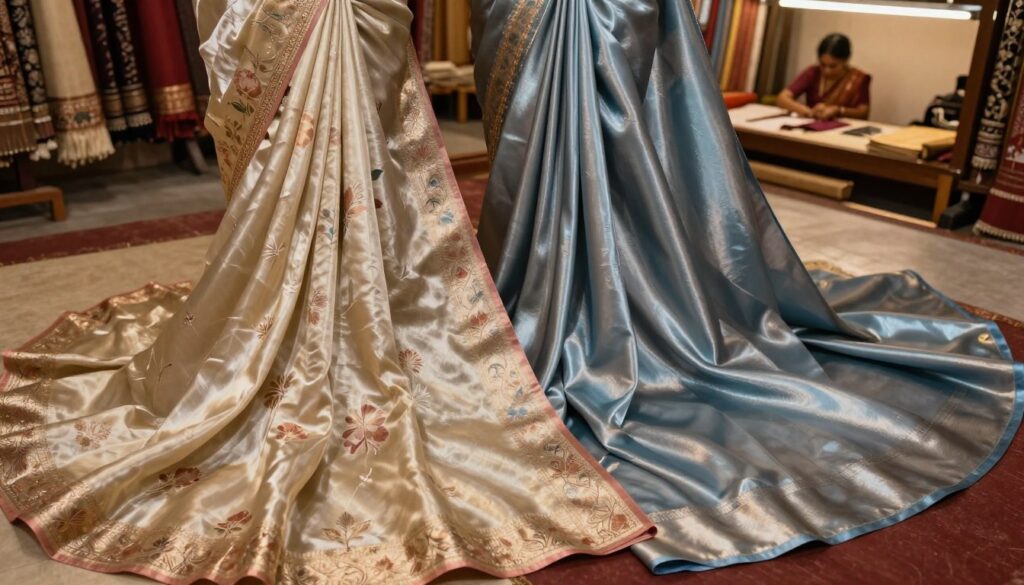
Modern fashion enthusiasts often turn to satin silk for its fluid movement and luxurious, high-gloss finish. This fabric brings a fresh perspective to the traditional Banarasi repertoire, offering a sleek silhouette that feels both regal and current. It is an ideal choice for those who want to balance heritage craftsmanship with a contemporary edge.
The Unique Weave Structure of Satin
The secret behind the signature look of satin silk lies in its complex weave structure. Unlike standard weaves, satin uses a technique where the warp threads float over several weft threads. This minimal interlacing creates a smooth, continuous surface that reflects light with incredible intensity.
Because of this specific construction, the fabric gains its characteristic sheen and soft hand-feel. It drapes effortlessly, following the contours of your body to create a flattering, elegant shape. While some may debate the benefits of katan silk over satin silk, the latter remains unmatched for its ability to provide a polished, high-fashion appearance.
Benefits of the Smooth Satin Finish
The smooth finish of satin silk is not just about aesthetics; it is about the tactile experience. The fabric feels exceptionally soft against the skin, making it comfortable for long hours of wear during evening galas or cocktail parties. Its light-reflecting properties ensure that you stand out in any setting, as the fabric catches every flicker of light.
Furthermore, the drape of satin silk is remarkably fluid. It lacks the stiffness found in other traditional weaves, allowing for intricate pleating and graceful movement. This makes it a favorite for designers who want to create modern, minimalist looks that still honor the rich history of Banarasi textiles.
Styling Satin Silk for Contemporary Events
Styling a satin silk saree allows you to experiment with modern fashion sensibilities. You can pair these sarees with sleek, sleeveless blouses or contemporary halter-neck designs to emphasize the modern drape. Minimalist jewelry, such as diamond studs or a single statement necklace, often complements the high-gloss finish better than heavy traditional gold sets.
When considering the benefits of katan silk over satin silk, remember that satin is often preferred for its versatility in modern, high-glamour settings. Whether you are attending a wedding reception or a formal corporate event, satin silk provides a sophisticated, refined look that is hard to replicate.
| Feature | Satin Silk | Katan Silk |
|---|---|---|
| Surface Finish | High-gloss, reflective | Matte, rich texture |
| Drape Quality | Fluid and soft | Structured and crisp |
| Best Occasion | Evening/Cocktail events | Traditional weddings |
| Weave Style | Float-based | Plain weave |
Unveiling Mashru Silk: The Fusion Masterpiece
Mashru silk stands out as a fascinating fusion masterpiece in the world of Indian textiles. This unique fabric combines the lustrous appeal of silk with the soft, absorbent nature of cotton. It offers you a sophisticated look without sacrificing the comfort required for long hours of wear.
The History of the Silk-Cotton Blend
The origins of Mashru date back to a time when weavers sought to create textiles that respected cultural traditions while meeting practical needs. Historically, the term “Mashru” translates to “permitted,” reflecting its role in societies where pure silk was sometimes restricted for certain daily uses. By weaving a silk warp with a cotton weft, artisans created a fabric that felt like silk on the outside but remained cool and comfortable against the skin.
This clever construction allowed the fabric to gain popularity across various regions of India. It became a staple for those who desired the vibrant aesthetic of Banarasi textiles but needed a material that could withstand warmer climates. The legacy of this blend continues to influence modern weaving techniques today.
Why Mashru is Known for Its Breathability
The primary reason for the enduring popularity of Mashru is its exceptional breathability. Because the inner layer is composed of cotton, the fabric effectively absorbs moisture and allows for better airflow than synthetic alternatives. This makes it an ideal choice for humid weather or long festive events where you remain active for hours.
You will find that the fabric remains gentle on the skin, preventing the irritation often associated with heavier, non-breathable materials. Its ability to regulate temperature ensures that you stay comfortable throughout the day. This natural cooling effect is a hallmark of authentic Mashru craftsmanship.
Versatility in Daily and Festive Wear
Mashru silk is remarkably versatile, allowing you to transition seamlessly from a casual morning meeting to an evening celebration. Its rich, satin-like sheen gives it a festive appearance, while the cotton base keeps the drape relaxed and manageable. You can easily style these sarees with minimal jewelry for a professional look or pair them with heavy gold accessories for weddings.
The fabric holds deep, saturated colors exceptionally well, making it a favorite for those who love bold fashion statements. Whether you are attending a family gathering or a formal event, Mashru provides a perfect balance of elegance and ease. Consider the following comparison to understand how it fits into your wardrobe:
| Feature | Mashru Silk | Pure Katan Silk | Satin Silk |
|---|---|---|---|
| Primary Fiber | Silk & Cotton | Pure Silk | Synthetic/Silk Blend |
| Breathability | High | Moderate | Low |
| Texture | Soft & Smooth | Crisp & Firm | Very Slippery |
| Best Use | Daily & Festive | Grand Weddings | Modern Events |
Key Differences in Weaving Processes
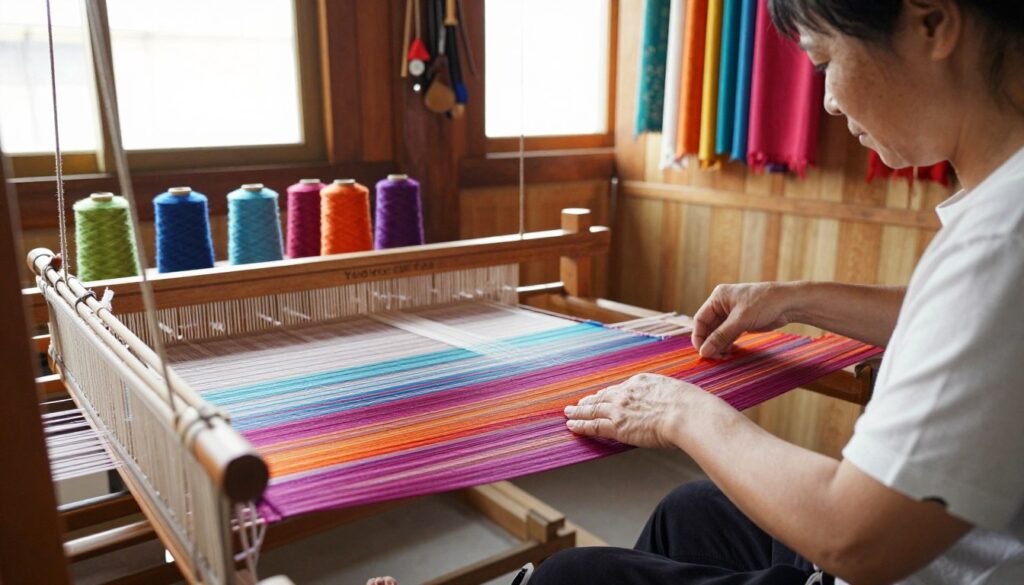
If you want to master the art of silk saree comparison, you must look closely at how these fabrics are constructed on the loom. The way threads intersect determines everything from the sheen of the fabric to how it falls against your body. By understanding these technical foundations, you can better appreciate the craftsmanship behind your favorite traditional attire.
The Role of Warp and Weft in Katan
The katan silk weaving process relies on the use of pure silk threads for both the warp and the weft. This technique creates a dense, sturdy fabric that is highly resistant to wear and tear. Because the threads are tightly interlaced, the resulting material feels substantial and holds intricate zari work with ease.
This traditional method ensures that the saree maintains its shape over many years. You will notice that Katan silk feels crisp to the touch, which is a direct result of this balanced, high-tension weaving style. It remains the gold standard for those who value longevity in their wardrobe.
How Satin Weaving Creates a Reflective Surface
When exploring the differences between katan and satin silk, the primary distinction lies in the float of the threads. Satin weaving minimizes the number of intersections between the warp and weft, allowing long segments of thread to “float” on the surface. This structural choice is what gives satin its signature high-gloss, reflective finish.
Because there are fewer interlacing points, the fabric feels incredibly smooth and fluid. This drape is perfect for modern silhouettes that require a softer, more liquid movement. While it offers a luxurious aesthetic, it requires careful handling to avoid snagging the long, exposed threads.
The Intricate Construction of Mashru Fabric
Mashru is a unique fusion fabric that requires a highly specialized weaving technique to succeed. It features a silk warp and a cotton weft, which creates a distinct contrast between the two sides of the cloth. The silk provides a vibrant, shiny exterior, while the cotton ensures the fabric remains breathable and comfortable against your skin.
Weavers must maintain precise tension to ensure the silk and cotton fibers bond correctly during the process. This complex construction results in a durable, versatile textile that bridges the gap between traditional luxury and daily utility. It is a true masterpiece of textile engineering that offers the best of both worlds.
| Fabric Type | Warp/Weft Material | Weave Characteristic | Primary Benefit |
|---|---|---|---|
| Katan Silk | Pure Silk / Pure Silk | Tight, balanced interlacing | High durability |
| Satin Silk | Silk / Silk or Synthetic | Long thread floats | Reflective sheen |
| Mashru Silk | Silk / Cotton | Hybrid structural bond | Breathable comfort |
How to Choose the Right Saree for Your Occasion
Finding the perfect saree for your event requires balancing style, comfort, and the nature of the occasion. Understanding the unique properties of different weaves is essential when you learn how to choose silk saree styles that complement your personality and the setting.
Selecting Fabrics for Grand Wedding Ceremonies
For grand wedding ceremonies, you want a fabric that exudes opulence and grandeur. Katan silk is widely considered the best silk saree for weddings due to its dense weave and rich, lustrous finish.
When selecting for these events, consider the following factors:
- Weight: Heavier fabrics provide a regal drape that holds intricate zari work perfectly.
- Lustre: A high-sheen finish ensures you stand out in photographs and under bright venue lights.
- Durability: Pure silk ensures your heirloom piece remains in pristine condition for years.
Best Choices for Formal Office Gatherings
Professional settings call for a more understated and refined aesthetic. You should prioritize fabrics that offer a clean, crisp drape without being overly flashy or heavy.
Satin silk is an excellent choice for office environments because it provides a smooth, professional silhouette. It feels comfortable during long hours and maintains a polished look throughout the day. Opt for muted tones or subtle patterns to keep your ensemble sophisticated and appropriate for business interactions.
Lightweight Options for Casual Celebrations
Casual celebrations and daytime events demand ease of movement and breathability. You do not want to feel weighed down while socializing or participating in festive activities.
Mashru silk is a fantastic alternative for these moments. Its unique blend of silk and cotton offers a soft, skin-friendly texture that keeps you cool. Consider these benefits for your casual wardrobe:
- Breathability: The cotton content allows for better airflow during warm weather.
- Versatility: These sarees transition easily from morning rituals to evening gatherings.
- Comfort: The fabric is lightweight, making it simple to manage while you are on the move.
Maintenance and Care Tips for Your Silk Collection
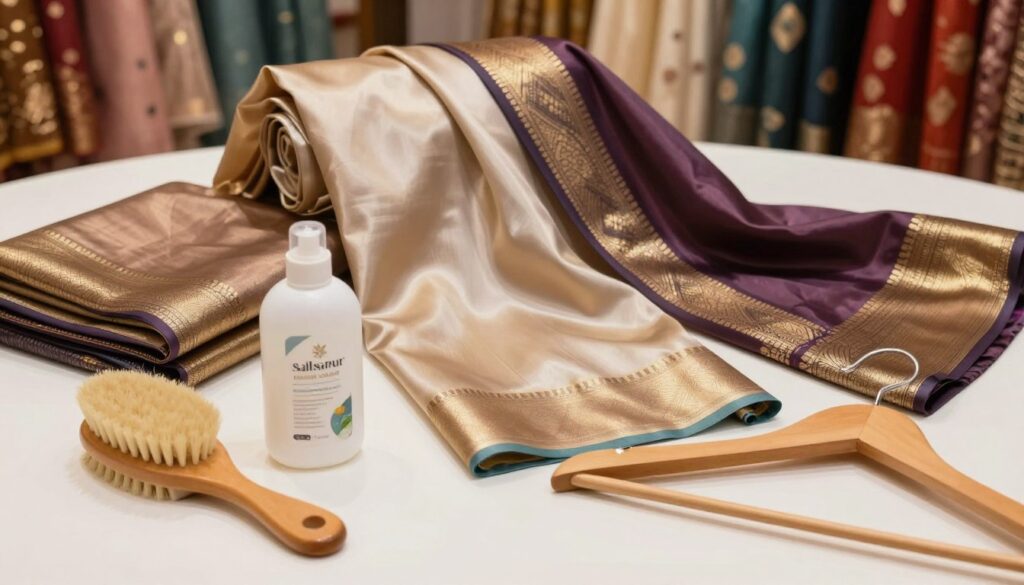
Preserving the timeless beauty of your silk sarees requires a dedicated approach to storage and routine care. Because these fabrics are natural fibers, they react to their environment and need specific conditions to stay in pristine condition. By following these professional guidelines, you ensure your collection remains a source of pride for years to come.
Proper Storage Techniques to Prevent Creasing
The way you store your sarees determines how well they hold their shape over time. Avoid hanging your silk sarees for long periods, as the weight of the fabric can cause the fibers to stretch and lose their original drape. Instead, fold your sarees neatly and store them in a cool, dark place.
It is highly recommended to wrap each piece in breathable muslin cloth or soft cotton fabric. This allows the silk to breathe while protecting it from dust and direct sunlight. Never store your silk in plastic bags, as these trap moisture and can lead to yellowing or permanent fabric damage.
Cleaning Methods for Delicate Silk Fibers
When it comes to cleaning, patience and professional expertise are your best allies. Intricate Banarasi pieces often feature delicate zari work that can be ruined by harsh detergents or aggressive washing machines. For these reasons, professional dry cleaning is the safest method for maintaining the integrity of the silk.
“Textiles are living histories; when you care for a silk saree, you are not just maintaining a garment, but preserving a cultural legacy for the future.”
If you must spot-clean a minor stain, use only mild, pH-neutral soap and cold water. Always test a small, inconspicuous area first to ensure the color does not bleed. Avoid wringing the fabric, as this can break the delicate silk threads and create permanent creases.
Protecting Your Sarees from Humidity and Pests
Humidity is the greatest enemy of natural silk, as it encourages the growth of mold and mildew. To combat this, place silica gel packets in your storage area to absorb excess moisture. You should also air out your sarees in a shaded, breezy area every few months to keep them fresh.
To protect your collection from silverfish and other household pests, use natural repellents like dried neem leaves or cedarwood blocks. Avoid using mothballs, as their strong chemical odor can linger in the silk fibers and potentially damage the delicate weave. The following table provides a quick reference for your maintenance routine.
| Action | Frequency | Best Practice |
|---|---|---|
| Airing Out | Every 3-4 months | Use shaded, breezy areas |
| Professional Cleaning | After each major event | Use specialized silk dry cleaners |
| Storage Material | Permanent | Always use muslin or cotton wraps |
| Pest Prevention | Ongoing | Use neem leaves or cedar blocks |
Price Points and Buying Authentic Banarasi Silk Online
When you decide to buy katan silk saree online, understanding the pricing landscape is your first step toward a successful purchase. The digital marketplace offers a vast array of choices, but navigating these options requires a clear grasp of what constitutes a fair value for high-quality handloom textiles.
Understanding the Factors Influencing Saree Prices
The final satin silk saree price is rarely arbitrary; it is a reflection of the immense labor and material quality invested in the piece. Authentic Banarasi silk involves complex weaving techniques that can take weeks or even months to complete on a traditional handloom.
High-quality raw silk threads command a premium in the market, directly impacting the cost. Furthermore, the intricacy of the zari work—often involving real gold or silver plating—adds significantly to the overall investment required for a genuine masterpiece.
Red Flags to Watch for When Shopping Online
While browsing, be wary of websites that promise unrealistic discounts on luxury silk products. If a price seems too good to be true, it often indicates the use of synthetic fibers or power-loom imitations rather than authentic hand-woven silk.
Another red flag is a lack of detailed product descriptions. Reputable sellers will always provide specific information regarding the fabric composition, the type of loom used, and the origin of the weave. If a store fails to disclose these details, you should proceed with extreme caution.
Verifying Authenticity and Geographical Indication Tags
To ensure you are making a secure investment, always look for the Geographical Indication (GI) tag. This certification acts as a legal guarantee that the saree was produced in the Varanasi region using traditional methods.
Beyond the GI tag, check for seller certifications or memberships with recognized textile boards. When you choose to buy katan silk saree online from verified sources, you protect your investment and support the artisans who keep this ancient craft alive. Always prioritize transparency and quality over the lowest possible satin silk saree price to ensure your collection remains timeless and authentic.
Conclusion
Choosing between Katan, Satin, and Mashru silk involves balancing your personal style with the demands of your event. Each fabric offers a distinct experience that reflects the rich history of Indian textile artistry.
Katan silk provides the traditional weight and grandeur required for weddings. Satin silk delivers a modern, sleek drape for evening gatherings. Mashru silk serves as a versatile choice for those who prioritize comfort and breathability.
Your decision rests on how you intend to wear these pieces. Consider the texture, the drape, and the occasion before you make your purchase. Investing in authentic Banarasi silk ensures you own a garment that stands the test of time.
You now possess the knowledge to navigate the market with clarity. Use these insights to build a collection that honors your heritage. Your wardrobe will benefit from the timeless elegance of these hand-woven treasures for many years.